REVIEW · FORT LAUDERDALE
Mangrove Tunnel Kayak Eco Tour
Book on Viator →Operated by Salty Soul Adventures Inc · Bookable on Viator
Mangrove tunnels are surprisingly calm. This 2-hour kayak eco tour at West Lake Park lets you paddle through mangrove trails in a small-group setting, with safety briefing and time to practice in a sheltered cove.
I especially like two things about this tour. First, the focus on getting you confident before you head into the tighter channels, so even a first-time paddle feels more manageable. Second, the natural history teaching, with guides like Ariana calling out mangrove types (red, white, and black) plus the birds and life you spot as you glide.
One thing to consider: you handle your own transportation and parking, since those aren’t included. Also, like most nature tours, it runs best when weather cooperates.
In This Review
- Quick hits before you go
- Why the Mangrove Tunnels at West Lake Park Are Worth the Paddle
- Safety Briefing and Practice Paddling for First-Timers
- A Small Group Means Better Care, Especially on Narrow Water
- Wildlife Highlights: Birds, Fish, Mangrove Crabs, and Tree Types
- Gear, Waterproof Storage, and the Digital Photo Bonus
- Price and Logistics: Getting There and Getting Your Money’s Worth
- Should You Book This Mangrove Kayak Eco Tour?
- FAQ
- How long is the Mangrove Tunnel Kayak Eco Tour?
- Where is the meeting point for the tour?
- How many people are in each group?
- What’s included in the $75 price?
- What is not included in the tour price?
- Is the tour recommended for young children?
- What physical fitness level do I need?
- What if the weather is poor?
- When does the tour run and what language is it offered in?
Quick hits before you go
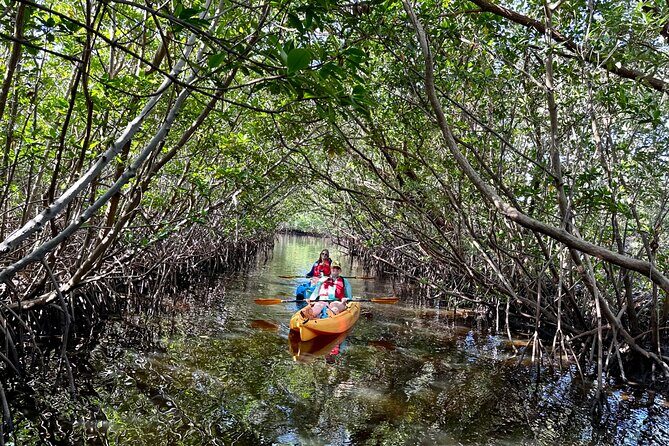
- West Lake Park mangrove tunnels with a calm start in a secluded cove
- Safety briefing + practice paddling before you head into narrower routes
- Small groups (max 10 travelers) for more personal attention
- A guide with an advanced Master Naturalist background and wildlife-focused storytelling
- Waterproof bag, bottled water, and kayaking gear included
- High-quality digital photography included after the tour
Why the Mangrove Tunnels at West Lake Park Are Worth the Paddle
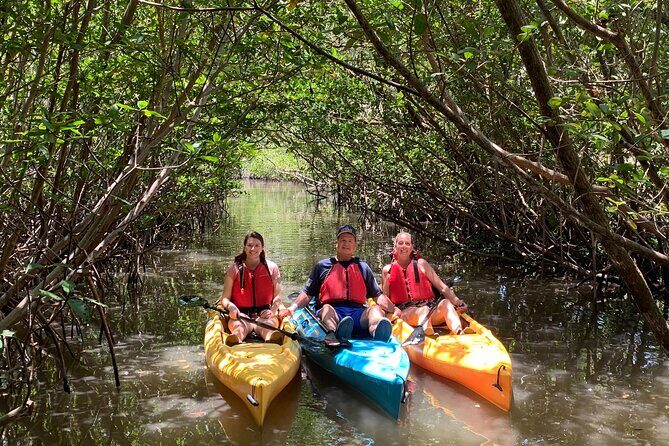
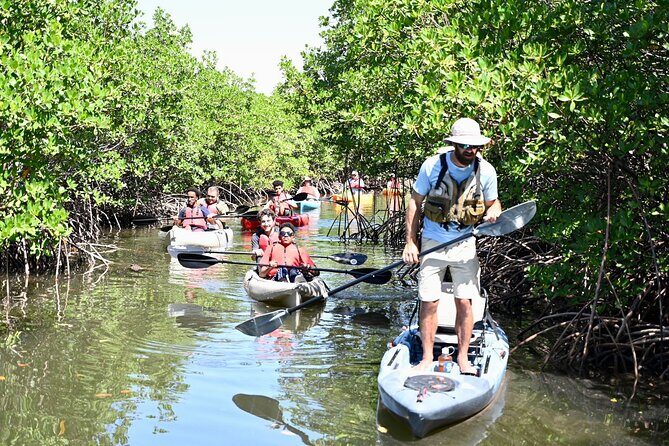
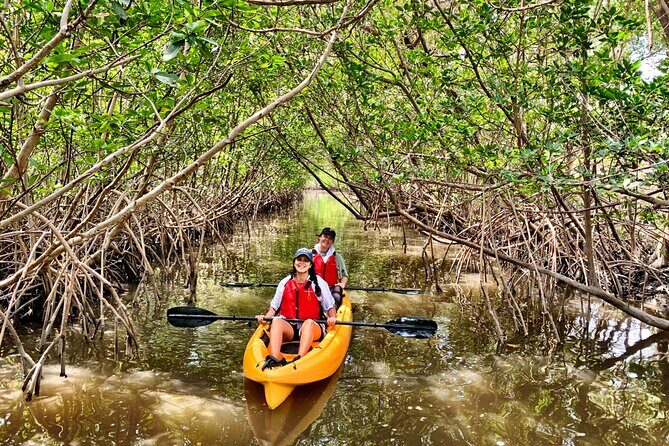
If you’re used to Florida beaches, this is a different kind of pretty. Mangroves work like living shoreline walls: roots grab sediment, protect the water, and create a maze where birds, fish, and small creatures can do their thing without you barging in. At West Lake Park, you’ll spend time moving through winding mangrove tunnels rather than just floating on open water.
The tour is paced so you’re not thrown into chaos. You start in a calmer, secluded area that’s ideal for learning how the kayak responds. Then you transition into the more scenic mangrove corridors where it gets more interesting, and often more quiet. Conditions here are usually calm, which matters. Kayaking feels easier when wind and chop are low, and it helps you actually enjoy what you came for: watching wildlife and vegetation instead of white-knuckle steering.
One of the best parts is that you don’t just pass the mangroves. You learn what you’re seeing and why it matters, including the role of mangroves in the local ecosystem. Guides also point out the kinds of mangrove trees you’re paddling through, like the red/white/black varieties that have slightly different root systems and functions. It’s the kind of information that makes the scenery stick in your head long after the trip ends.
Other kayak, SUP, and paddle tours we've reviewed in Fort Lauderdale

Safety Briefing and Practice Paddling for First-Timers
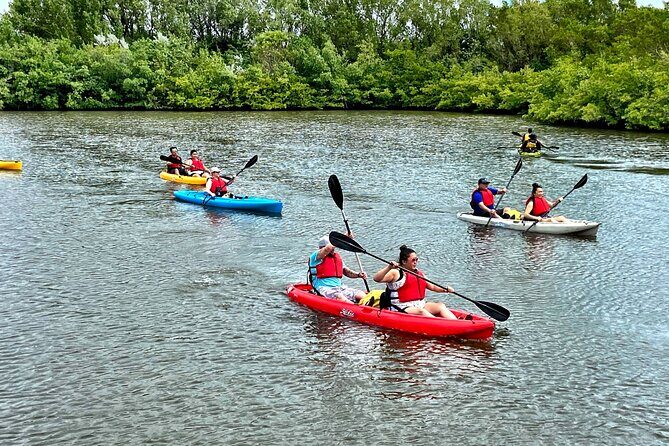
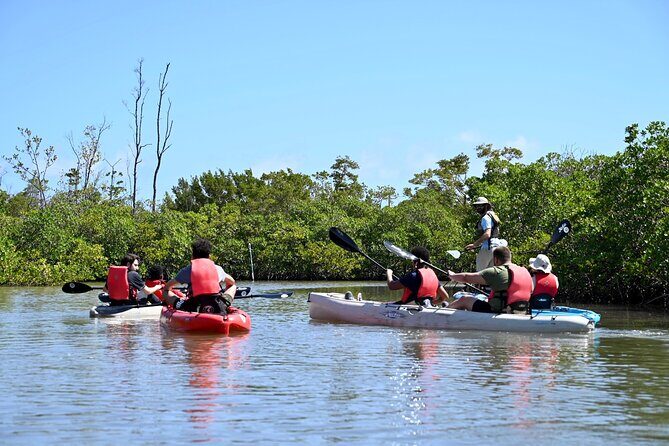
This is the tour’s secret weapon: you get help before you’re in the mangrove tunnels. You’ll begin with a safety briefing at the start, plus time to practice paddling so your strokes and control feel natural. That practice time is what turns a potentially intimidating outing into something you can relax into.
The rhythm usually goes like this: instruction first, then you try out what you need to know in calm water. After you’re comfortable, your group moves on to the more scenic segments. That means you’re not learning basic paddle technique while steering through tight mangrove spaces. For anyone who’s curious but nervous, that’s huge value.
You’ll also be guided in a way that keeps the experience accessible across skill levels. People come with everything from little previous experience to more confident paddlers, and the guides adjust. If you can follow directions and handle a moderate amount of physical effort, you’ll likely do fine.
The kayaking is active, but it’s not a race. Think of it as moving slowly enough to watch what’s happening around you. That’s also why the tour works so well for families in the right age range. Kids and teens (at least the ones old enough to participate comfortably) get to be part of the action without the constant boredom that can happen on long, sit-and-listen outings.
A Small Group Means Better Care, Especially on Narrow Water
With a max of 10 travelers, this is built for more than just showing up. Small groups tend to get better supervision, more frequent check-ins, and fewer moments where you’re waiting around while the leader deals with something. When you’re paddling through mangroves, that matters. The water can feel channel-like, and you want to trust that your guide is watching traffic, timing, and spacing.
That small-group size also supports the personalized storytelling. Instead of one-way lecturing, you get natural-history talk tied directly to what’s in front of you. You’ll hear about the wildlife you spot along the shorelines and how the mangrove environment supports fish and birds in that area. Guides also share practical observations you can notice yourself, like how wind and weather can affect paddling conditions.
A named highlight from many trips is Ariana, who leads with clear enthusiasm for the ecosystem. If you paddle with her, you can expect a strong mix of conservation-minded explanations and real, practical guidance that helps you focus on the water instead of worrying about your technique.
For me, the take-home is simple: small-group kayak tours often feel calmer and more human. That’s exactly what you want when you’re entering a natural space that’s doing its own quiet work.
Wildlife Highlights: Birds, Fish, Mangrove Crabs, and Tree Types
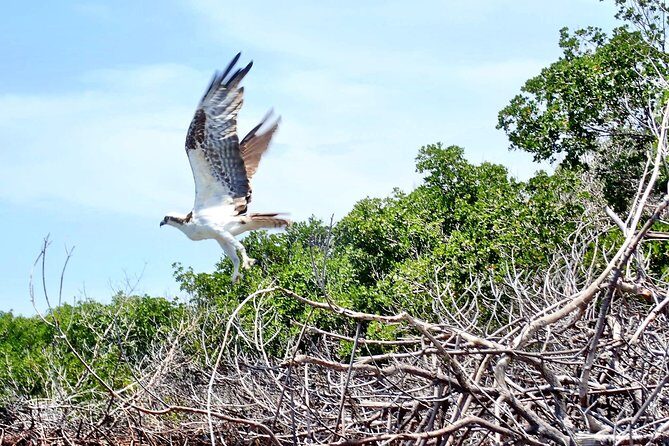
The big payoff here is the biodiversity of South Florida. Mangrove tunnels are busy, just not in a loud way. You’ll look for birds above and wildlife around the waterline, and you’ll also learn what you’re likely seeing beneath you.
The tour commonly includes discussion of mangrove ecology and the different tree types, including red, white, and black mangroves. Those details aren’t trivia. They help you understand why roots grow the way they do, how they shelter small life, and why this habitat is so important for birds and other native species. Guides may also reference endangered species when explaining what makes this ecosystem worth protecting.
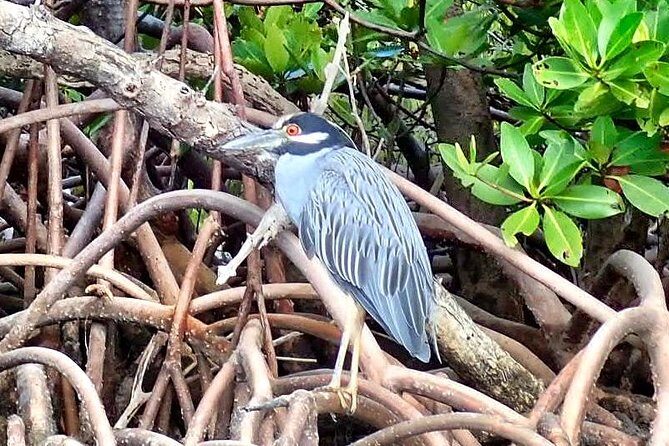
In terms of what you might actually spot, sightings vary by day, but expect plenty of “stop and look” moments. Many paddlers describe seeing birds flying overhead, fish in the water, and life near the shore. One memorable feature from trips is time to see a mangrove crab up close (when conditions and handling allow).
Now, quick reality check: wildlife sighting is never guaranteed. On one trip, people reported not seeing bigger marine mammals and still felt it was worth it because the mangroves and smaller life provided the main story. That’s an important point for you to carry in: the goal isn’t to cross off a checklist. The goal is to understand the habitat you’re in and notice the living systems that call it home.
Gear, Waterproof Storage, and the Digital Photo Bonus
You’re not going to show up empty-handed. The tour includes kayaking gear, bottled water, and a waterproof bag to help protect your items while you paddle. That waterproof bag is practical in mangrove areas, where you’ll be dealing with water splashes and damp conditions around the kayak.
It also includes high-quality digital photography. That’s a value add you might not think about until you’re wearing a dry shirt you can’t keep dry. Having photos covered means you can focus on the moment instead of juggling a camera and a paddle at the same time. If you like to remember trips with more than just blurry phone shots, this is a smart inclusion.
A practical note: plan for the fact that you’ll be outdoors and on the water. Bring or wear layers that make sense for warm Florida sun and possible wind off the water. After kayaking, you’ll be happier if you have a change of clothes ready for the walk back and the rest of your day.
If you’re coming from the beach already, you’ll probably love the simplicity: gear provided, water provided, and the guide handles the timing so you’re not stuck figuring everything out on your own.
A few more Fort Lauderdale tours and experiences worth a look
Price and Logistics: Getting There and Getting Your Money’s Worth
At $75 per person for an approx. 2-hour experience, this tour sits in the “worth it if you want the guide” category. You’re paying for more than a kayak. You’re getting a guided eco experience with instruction, a naturalist approach, and included amenities like waterproof storage and photo support.
Here’s what you’re getting for your money:
- Kayaking gear and guidance
- Bottled water
- Waterproof bag
- High-quality digital photography
- An advanced Master Naturalist guide
What you’re not getting:
- Transportation to the start
- Parking fees
- Entrance fees (if any apply)
So the “value” calculation for you is really about your convenience. If you can get to the meeting area without hassle, you’ll likely feel good about the price. If you’re arriving with a long commute and paying extra for parking, it changes the math slightly.
The meeting point is at 1200 Sheridan St, Hollywood, FL 33019, and the tour ends back there. Tours run daily during 9:00 AM to 2:00 PM within the scheduled operating window listed for the experience, and it’s offered in English. Because this kind of outing is popular, it’s smart to book ahead. On average, people book about 22 days in advance, which usually means spots fill and schedules can get tighter around peak travel dates.
If you like a calmer start, mornings can feel especially peaceful for paddling, since the channels are typically less busy with wind and on-the-water traffic.
Should You Book This Mangrove Kayak Eco Tour?
I’d book it if you want a kayak outing that’s genuinely tied to where you’re paddling. This isn’t just “sit and float.” You get a real start with safety practice, plus mangrove-focused education and a strong chance to see birds and smaller wildlife in their natural setting.
Skip it or think twice if:
- You’re not comfortable with moderate physical fitness for a couple of hours on the water
- You’re traveling with a child under 5, since the tour isn’t recommended for that age
- You don’t want to manage your own transport and parking costs
If you do book, I’d also make one smart choice: pick a time that fits your energy level. The tour’s success depends on you enjoying the slow, watchful pace, not rushing through it.
FAQ
How long is the Mangrove Tunnel Kayak Eco Tour?
The tour lasts about 2 hours in total. The active kayaking time is listed as about 1 hour, with additional time for the start briefing and getting set.
Where is the meeting point for the tour?
The tour meets at 1200 Sheridan St, Hollywood, FL 33019, USA. It ends back at the same meeting point.
How many people are in each group?
The tour has a maximum group size of 10 travelers.
What’s included in the $75 price?
Included are kayaking gear, bottled water, a waterproof bag, high-quality digital photography, and an advanced Master Naturalist guide.
What is not included in the tour price?
Transportation, parking fees, and entrance fees are not included.
Is the tour recommended for young children?
No. The tour is not recommended for children under age 5.
What physical fitness level do I need?
You should have a moderate physical fitness level to participate.
What if the weather is poor?
This experience requires good weather. If it’s canceled due to poor weather, you’ll be offered a different date or a full refund.
When does the tour run and what language is it offered in?
The tour runs daily within the listed hours of 9:00 AM to 2:00 PM, and it’s offered in English.
You Might Also Enjoy
More Tours in Fort Lauderdale
More Tour Reviews in Fort Lauderdale
- Jungle Queen Riverboat 90-Minute Narrated Sightseeing Cruise in Fort Lauderdale
★ 4.5 · 1,753 reviews