
REVIEW · FORT LAUDERDALE
History Museum, Pioneer House Museum & Schoolhouse Museum
Book on Viator →Operated by History Fort Lauderdale · Bookable on Viator
Fort Lauderdale’s past is a short walk from downtown. This guided tour strings together three historic museums in one outing—History Fort Lauderdale, Pioneer House Museum, and the Schoolhouse Museum—while you’re surrounded by a lush park setting along the New River. I like how the guides bring the buildings to life with real details (not just dates), and I also like that admission is included, so you’re not doing math mid-visit. One thing to consider: the pacing can feel lecture-heavy in parts, and a couple of indoor segments have been reported as warm/unventilated, so plan around comfort.
If you’re new to town (or just want an efficient way to connect the dots), this is a straightforward 1–2 hour package. It’s limited to 35 people, and the meeting point is easy to find at 231 SW 2nd Ave, right in Fort Lauderdale’s historic core. Bring patience for crowds at check-in times, but you get a calm experience afterward, with plenty of places to grab food nearby.
In This Review
- Key highlights you can count on
- Fort Lauderdale’s historic core, right where the city began
- A practical time target
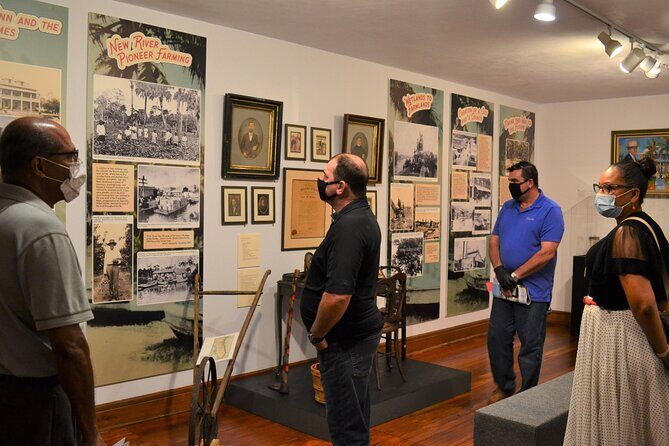
- The History Fort Lauderdale stop: where stories get their setting
- What you’ll notice as you move through
- A comfort note
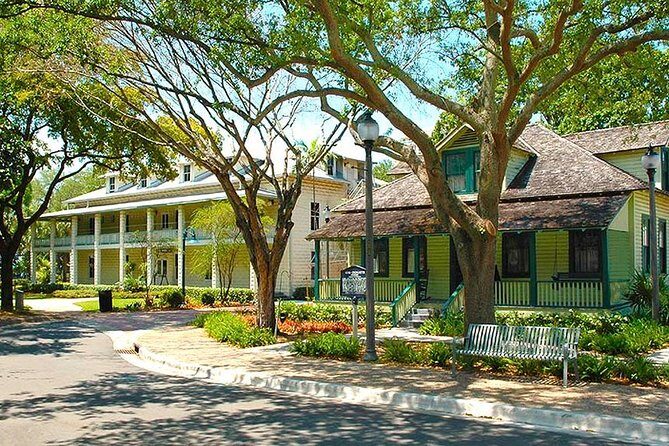
- Pioneer House Museum: living history in preserved rooms
- The human scale of the history
- Schoolhouse Museum: learning rooms that hit harder than you expect
- Where some tours can feel long
- How the guides shape the experience (and the “script” factor)
- Value and what’s included (plus what costs extra)
- Included
- Not included
- Budget tip
- Tickets, language, and translation options
- Getting there in Fort Lauderdale without the stress
- Who should book this tour (and who should skip it)
- Should you book History Fort Lauderdale’s museum walk?
- FAQ
- How long is the tour?
- Where does the tour start?
- What museums are included?
- Is admission included in the price?
- Are children free?
- What language is the tour offered in?
- Is translation available for non-English speakers?
- Does the tour include transportation?
- Are service animals allowed?
- Is there a cancellation option?
Key highlights you can count on
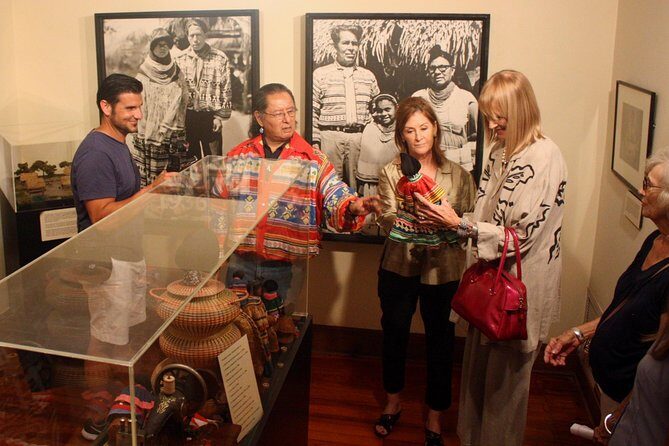
- Three museums, one guide-led route: History Fort Lauderdale plus the Pioneer House and Schoolhouse
- New River setting: a nice add-on walk after you finish the indoor portions
- Admission included: you’re paying once and then touring without extra ticket stops
- Small-group feel (max 35): better chances to hear questions and stories
- Staff who lean into storytelling: guides such as David, Daniel, Caroline, and others bring the period to life
- Language help is available in exhibits: English is the guided language, with additional translation support via on-device scanning
Fort Lauderdale’s historic core, right where the city began
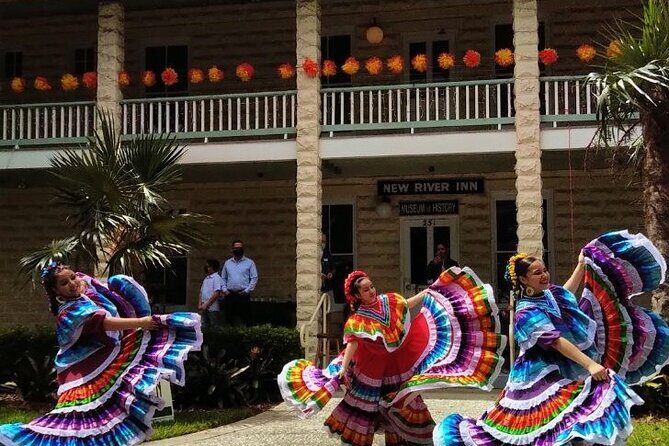
This tour works because it puts you in the same frame as Fort Lauderdale’s origin story: a quiet pocket on the banks of the New River, yet close enough to modern life that you don’t feel stranded. The museums sit in a place you can actually walk through, not just “look at from the sidewalk.” When you finish, you’re set up for an easy stretch along the water—an underrated way to transition from old stories to the present city vibe.
You also get good value in the way it’s assembled. You’re not bouncing between far-flung sites or trying to coordinate separate museum visits. Instead, the experience is built as a single walking circuit with a consistent guide voice, so names and themes connect—founders, growth, education, and daily life—without turning into a history lecture marathon.
Other historical tours in Fort Lauderdale


A practical time target
Plan on about 1 to 2 hours total. Most people will fit it into a morning or early afternoon museum slot. If you’re pairing this with lunch or a late coffee run, aim to finish with time to browse whatever’s next on your list—because once you’ve toured the interiors, it’s nice to have a little buffer for lingering.
The History Fort Lauderdale stop: where stories get their setting
The first stop, History Fort Lauderdale, acts like your orientation point. This isn’t just a collection of items behind glass; it’s presented as a place with context—right down to how the building sits in the setting. One detail that people really respond to is the railroad element: you can still see the rail line running nearby, which helps the whole “growth and transportation” theme feel grounded instead of abstract.
Inside, you’ll typically get an overview before stepping into the period rooms. Some tours begin with a short video (described as about seven minutes) that covers early beginnings tied to Seminole origins, the agricultural boom, and the impact of railroad expansion. It’s a good format if you want a mental map fast, especially on a first visit.
What you’ll notice as you move through
- The museum’s design is part of the lesson. You’re walking through a historic structure that supports the story.
- You’ll see memorabilia and early 1900s artifacts, including period-style displays that help the founders’ era feel real.
- Art is part of the package. The third floor can include rotating exhibitions, and one highlighted artist in recent programming is Stephanie MacMillan, known for paintings of electrical utility boxes you might spot around Fort Lauderdale.
A comfort note
If your group starts with an indoor lecture segment, keep your comfort in mind. One reported issue was a long stretch in an unventilated room with windows closed and no air conditioning. That doesn’t mean it’s always like that, but it does mean you should be prepared with water and light layers if you run hot.
- Jungle Queen Riverboat 90-Minute Narrated Sightseeing Cruise in Fort Lauderdale
★ 4.5 · 1,753 reviews






Pioneer House Museum: living history in preserved rooms
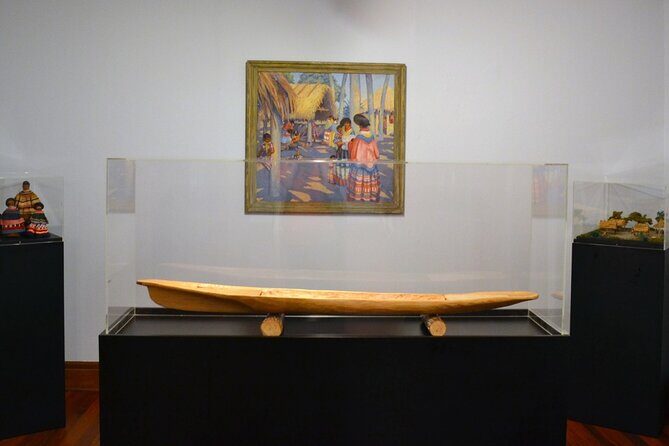
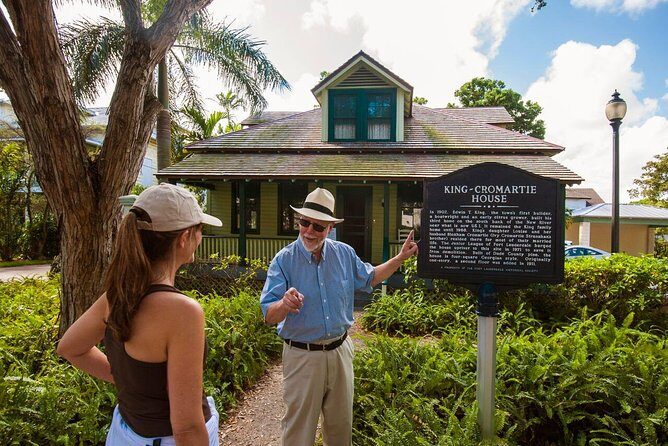
Next is the Pioneer House Museum, and this is where the tour shifts from overview to “walk inside the era.” Think preserved interiors, period details, and a guide who explains how daily life worked—not only who did what, but what that meant in practice.
People often point out that the Pioneer House feels meticulously kept in an authentic 1920s style, with room-by-room explanations. You might hear about:
- period kitchen life (including a period stove detail),
- how offices functioned for city business,
- and how personal stories connect to big-picture growth.
The human scale of the history
What makes this stop resonate is the way the guide frames the people behind the city’s early decisions and community building. From information shared during tours, you’ll get stories tied to early Black leadership in business and education, including references to early school teaching and first Black-owned services in the area. It’s not just “history facts”—it’s described as community change happening through real people and real choices.
Even the “small” items matter here. One recent account mentioned period-style objects like a classic Victrola (an early record player) and old telephone lines, used as touchpoints to explain how technology and communication worked at the time. That’s the kind of detail that makes the building feel inhabited, not staged.
Schoolhouse Museum: learning rooms that hit harder than you expect
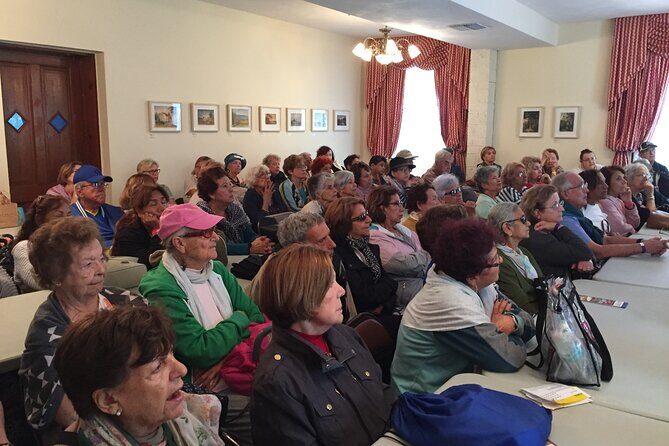
The Schoolhouse Museum is a big payoff if you care about education and daily life. A key point: it’s described as a reconstructed 1899 schoolhouse, with wooden desks and a presentation that helps you picture what a school day would have felt like in that era. Even if you’re not usually a “school museum” person, this stop can land emotionally because you’re sitting where learning happened.
Where some tours can feel long
A couple of recent experiences mentioned timing frustrations, including arriving with limited time and not reaching the schoolhouse as quickly as expected, or feeling stuck listening to a lecture longer than they wanted. I can’t promise your guide’s exact pacing, but if you’re tight on time that day, you’ll want to protect your schedule. If you’re going to pair this with other downtown plans, don’t schedule your next activity at the first minute your tour ends—give yourself a cushion.
How the guides shape the experience (and the “script” factor)
The tour experience can be very guide-dependent, and that’s not a bad thing—it’s just something to understand before you go. In the best cases, the guide style is energetic and story-driven, with staff members described as friendly, joking, and quick to connect facts to everyday life.
You may meet guides and hosts like:
- David, who has been described as wearing 1920s attire and weaving founder stories with growth and railroad connections,
- Daniel, who has led private tours with a lot of history through modern-to-early connections,
- Caroline and others, who have earned praise for making the visit feel organized and approachable.
The trade-off: a small number of experiences criticized the delivery as either rambling or too lecture-heavy. If that’s your pet peeve, go into the tour expecting a talk component, but also know you can still get value from the buildings themselves. The rooms and objects do the heavy lifting, even when the narration runs long.
Value and what’s included (plus what costs extra)
Here’s the value structure that matters:
Included
- Guided walking tour across the three museum sites
- Entrance fees included
- A mobile ticket
- Child policy: children 0–6 are free
Not included
- Transportation to and from the attractions
- Drinks
- Souvenir photos (if you want them)
This setup is usually a win for first-timers because you’re not adding museum admission on top of a tour price. You pay once, then spend your mental energy on learning and walking rather than on logistics.
Budget tip
Souvenirs and photos can add up quickly in any museum setting. If you love photos, consider whether you want to buy images, or whether you’ll rely on your own smartphone shots. The buildings are photo-friendly, but museum photo packages can be tempting when you’re in the moment.
Tickets, language, and translation options
The guided tour language is English. However, there’s also translation support built into the exhibits. One clarification that helps: translation is offered by scanning QR codes throughout the exhibits using your personal smart device, with options including Spanish, French, and Portuguese.
So if you’re not fluent in English, don’t panic—just plan to use your phone for translations. If you don’t like reading on a device during a walk, you may prefer another tour type that offers a live multilingual option.
Getting there in Fort Lauderdale without the stress
The meeting point is 231 SW 2nd Ave, and the tour is near public transportation, which is great if you’re not renting a car. Parking and rideshare logistics can be a little uneven in a busy downtown area, and one person described having trouble booking a return Uber because Wi-Fi wasn’t available to place the ride request.
If you’re relying on rideshare:
- download anything you need beforehand,
- test your mobile connection before you settle in,
- and keep an offline option in mind (like having a backup plan for calling a car without relying on Wi-Fi).
Also remember the tour does not include transportation, so plan that piece like you would for any museum visit.
Who should book this tour (and who should skip it)
This experience is a strong fit if you:
- want an organized way to understand Fort Lauderdale quickly,
- enjoy historic buildings and period interiors,
- like learning how communities formed through education and daily life,
- prefer a calm outing that ends with a pleasant walk near water.
It may be less ideal if you:
- hate lecture-style narration or want very self-paced time,
- are extremely sensitive to indoor comfort issues (one report noted an unventilated start),
- have very tight scheduling and cannot absorb a tour that might run longer in certain segments.
Should you book History Fort Lauderdale’s museum walk?
Yes, I’d book it if you’re in Fort Lauderdale for a short stay and want real context without hopping around town. The best reason is simple: you get three stops that connect—from general origins to preserved pioneer rooms and then the schoolhouse experience. And because admission is included, it’s straightforward value.
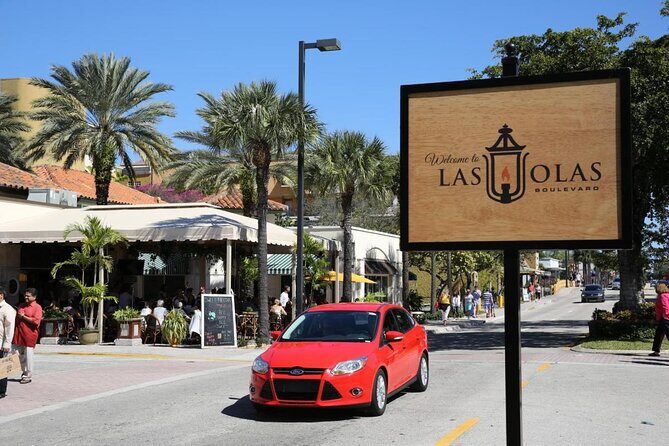
If you’re choosing between multiple activities, treat this as your “history backbone” for the day. Pair it with a lunch near Las Olas Boulevard or wherever your plans take you afterward. You’ll leave with names, themes, and a clear sense of why this city developed the way it did.
FAQ
How long is the tour?
It typically runs about 1 to 2 hours.
Where does the tour start?
The meeting point is 231 SW 2nd Ave, Fort Lauderdale, FL 33301, USA.
What museums are included?
The tour includes History Fort Lauderdale, Pioneer House Museum, and Schoolhouse Museum.
Is admission included in the price?
Yes, entrance fees are included.
Are children free?
Yes. Children ages 0–6 are free.
What language is the tour offered in?
The tour is offered in English.
Is translation available for non-English speakers?
Translation is offered via QR codes that you can scan with your smart device, with Spanish, French, and Portuguese options.
Does the tour include transportation?
No. Transportation to and from attractions is not included.
Are service animals allowed?
Yes. Service animals are allowed.
Is there a cancellation option?
Yes. Free cancellation is available up to 24 hours in advance for a full refund.
You Might Also Enjoy


More Historical Tours in Fort Lauderdale
More Tour Reviews in Fort Lauderdale
- Jungle Queen Riverboat 90-Minute Narrated Sightseeing Cruise in Fort Lauderdale
★ 4.5 · 1,753 reviews